The View Isn’t Everything: Why the Plain Campsite Wins
The postcard problem
We have all done it. You spot a pullout on the map, drive up a Forest Service road, and find a campsite perched on a ledge with a hundred-mile view. It looks like the cover of a magazine. Then the wind starts. Then the neighbors arrive. Then you realize the ground is hardpan and every stake you own is useless.
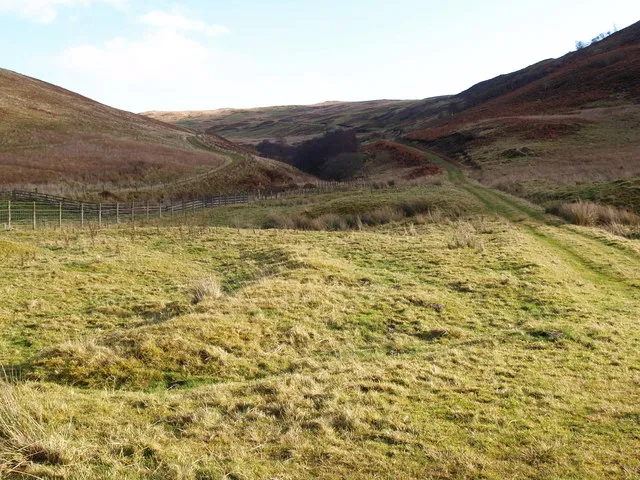
The overlooked site—the one tucked behind a low ridge, off the main spur, with no view at all—often delivers the better night. It is not a romantic idea. It is a practical one. A campsite is shelter first, scenery second. Once you start judging sites by how they behave in weather, traffic, and darkness, the pretty overlook stops looking like the obvious choice.
What a view usually costs
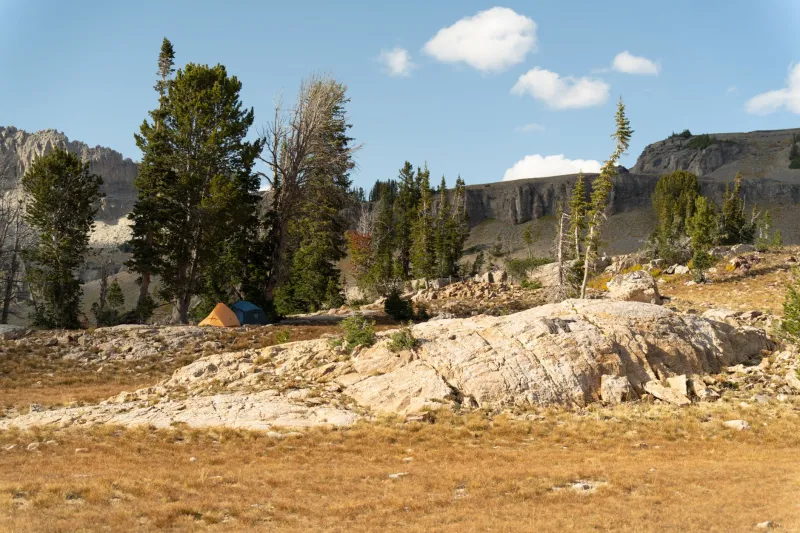
Exposed sites are beautiful because they are exposed. That same openness is why they catch wind, hold less warmth after sunset, and offer little privacy from the road or the next pullout. In popular national forests near cities—think the Pisgah in North Carolina, the Front Range canyons in Colorado, or the Sierra foothills in California—the scenic spots are also the first ones taken and the most likely to be loved to death. If the site is a short walk from a paved viewpoint, expect company.
A plain site behind a ridge can give you something the overlook cannot: a windbreak, softer ground, room for a tent without crushing fragile plants, and the feeling that you are actually camped rather than parked at a scenic turnout. That feeling matters. Rest is part of the trip.
Judge the ground, not the photo
The first question is not what you can see. It is where water would go if it rained for an hour. Look for low spots, compacted dirt, and little channels cut into the soil. A site on a slight rise with a flat tent pad and good drainage beats a dramatic ledge every time. In the Rocky Mountains, afternoon storms can turn a dry site into a puddle fast. In the Appalachians, the problem is often damp ground and roots. In the desert Southwest, it is flashy drainages and wash bottoms. Same rule everywhere: camp high enough to stay dry, but not on a ridge top where lightning and wind have the advantage.
Next, look up. Dead limbs in a cottonwood, a leaning pine, or a snag with loose bark are not background details. They are the reason to pick another site. This is especially true in burned areas and in forests where beetles have left standing dead trees. A quick scan overhead takes thirty seconds and can save you a very bad night.
Then check your relationship to water. You want to be near water for cooking and filtering, but not on top of it. Camp at least 200 feet from lakes and streams on most public lands. That distance protects banks, keeps soap and waste out of the water, and reduces the chance that you are camped in a spot that floods. It also makes for fewer mosquitoes and less traffic from other people following the creek.
Privacy is the next filter. A site does not need to be hidden, but it should give you a little separation from the road and from other campers. A bend in the spur road, a screen of young pines, or a low rise between you and the main pullout can make a plain site feel much quieter. In national forests with dispersed camping, the best sites are often the second or third pullout, not the first one with a fire ring and a view.
A five-minute site checklist
- Drainage: Is the tent pad slightly elevated? Any low spots, ruts, or wash channels?
- Overhead: Any dead limbs, leaning trees, or loose rock above the tent?
- Water: Are you at least 200 feet from streams and lakes? Is the ground dry and stable?
- Privacy: Can you see the road or the next camp? Is there a natural screen?
- Surface: Are you on durable ground—rock, gravel, dry grass, or established dirt—rather than fragile plants?
- Wind: Is there a ridge, brush, or trees to break the worst of it without putting you under hazard trees?
- Leave No Trace: Is there an existing fire ring or clearly impacted site? If not, can you camp without building anything new?
That last point matters. The best campsite is not the one you clear, level, and improve. It is the one that already fits. Use an established site when one exists, keep your footprint small, and skip the fire if conditions are dry or if there is no existing ring. In alpine areas, desert cryptobiotic soil, and riverside meadows, the ground is more fragile than it looks. A plain site on durable ground is better than a scenic site on a delicate one.
When the view is worth it
There are exceptions. A high ridge on a calm, stable forecast can be magical. A desert rim in mild weather can be the whole point of the trip. But go in with your eyes open: check the wind forecast, bring stakes that work in the ground you expect, and have a backup site in mind. If the overlook is the only flat ground for miles and the weather is settled, take it. Just do not confuse a good view with a good campsite.
The older I get, the more I trust the plain site. It is the one that lets you sleep. It is the one that leaves the postcard spot for the day hikers. And it is the one that keeps public land feeling wild a little longer, because it asks less of the place and gives you more of what you actually came for.