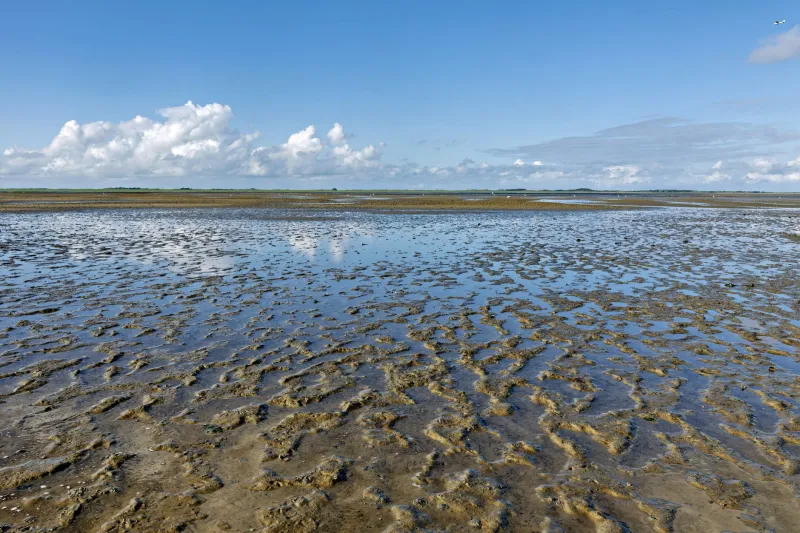
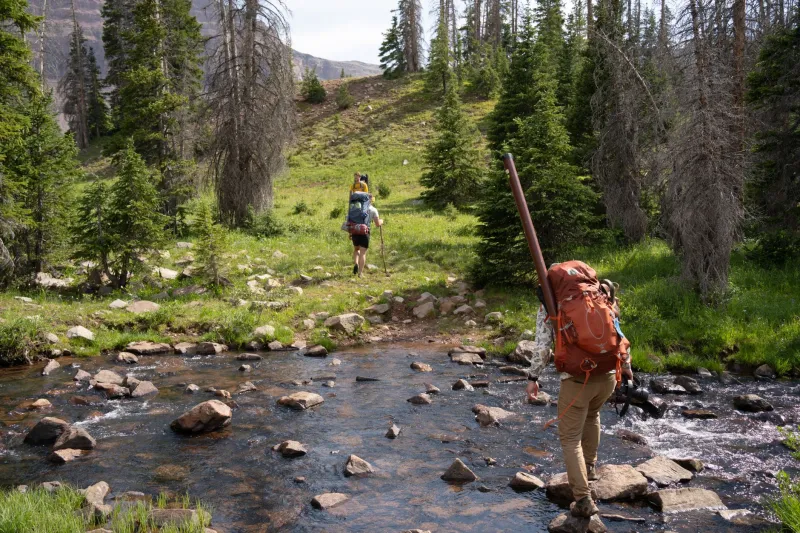
Cold Nights, Firm Ground: Reading Freeze-Thaw Before a Late-Fall Hike
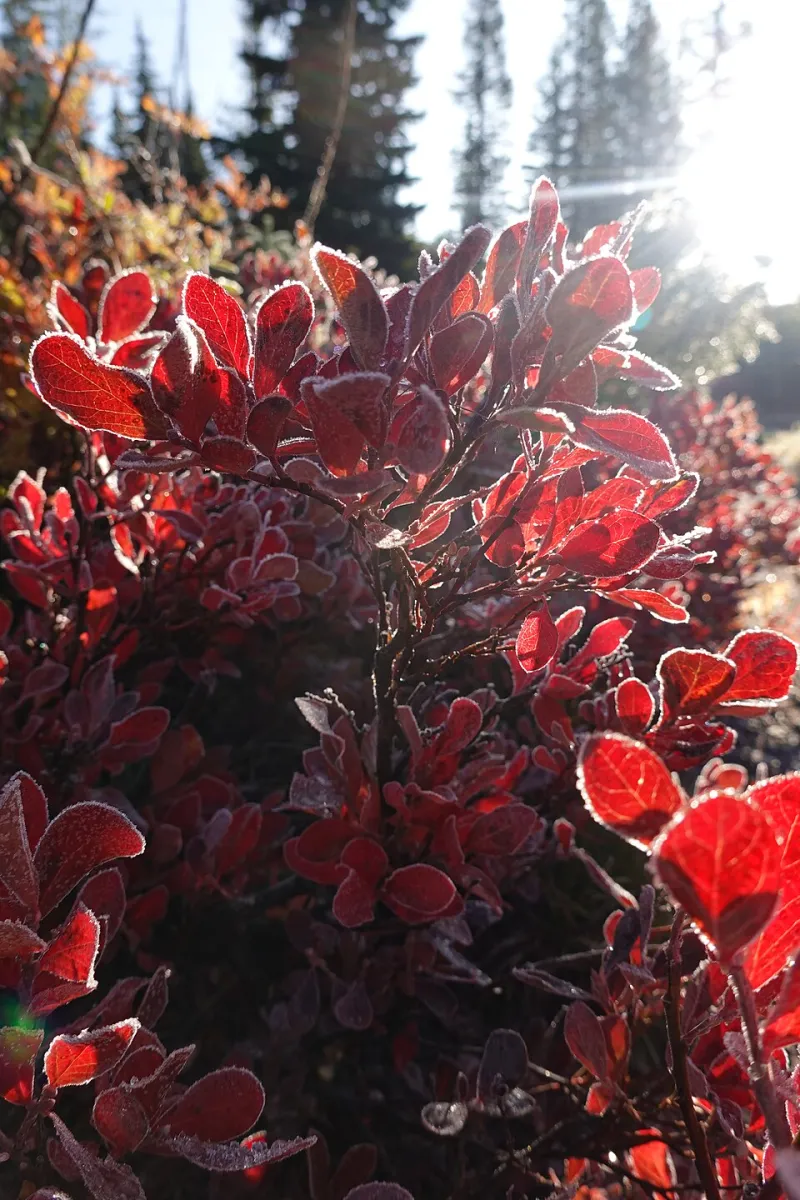
Photo: Mount Rainier NPS, Public domain, via Wikimedia Commons
Late fall is the season of excellent lies. A trailhead that looks dry from the parking lot can turn into a boot-sucking mess two switchbacks in, and a route that seems modest on paper can eat an afternoon once the sun hits it. The variable isn't mileage or views. It's the freeze-thaw cycle—the daily swing between a cold night that stiffens the ground and a mild afternoon that turns it back to soup.
If you hike public lands in November, you're already living inside that cycle. The question is whether you're reading it or just reacting to it. A little attention to overnight lows, trail aspect, and elevation band can mean the difference between fast, firm miles and a day spent sidestepping mud you helped create.
What Freeze-Thaw Actually Does to a Trail
Soil is a sponge with opinions. When temperatures drop below freezing overnight, water in the top layer of dirt crystallizes. The ground stiffens. Boots and bike tires roll or step across it with minimal displacement. Then the afternoon sun warms the surface, the ice lets go, and that same dirt becomes soft, greasy, and easily deformed.
The result is a split personality. A trail at 7 a.m. can be a sidewalk. By 1 p.m., the same stretch is a rut factory. This is why late-fall route picking isn't about avoiding all mud—it's about timing and terrain. Some trails shed water and freeze fast. Others hold moisture and thaw slowly. The difference is rarely obvious from a parking lot.
Three Reads Before You Commit
You don't need a soil science degree. You need three pieces of information that are already in the forecast and the topo map.
First, the overnight low at trailhead elevation. Not the town low. Not the valley low. Trailhead elevation. A forecast that says 34 degrees in the nearest gateway town can easily mean 26 at a trailhead a thousand feet higher. If the overnight low stays above freezing, the trail never locked up. Expect soft ground from the start, and pick a route with rock, sand, or durable surfaces. If the low drops into the mid-20s or colder, you've got a frozen window.
Second, aspect. North-facing slopes hold frost longer and thaw later. South-facing slopes catch sun early and give up their freeze fast. In late fall, that difference can be dramatic. A north-facing climb might stay firm until noon while a south-facing descent is already greasy by mid-morning. If you're route-finding, favor north-facing approaches in the morning and save south-facing climbs for later—or skip them if the thaw is aggressive.
Third, elevation band. The mud belt in late fall is usually the middle elevations—low enough to warm up, high enough to have soaked up autumn rain or early snow. Valley floors may still be dry or only seasonally damp. High ridges and passes may be frozen solid or snow-covered. The trouble zone is often between roughly 5,000 and 8,000 feet in the Rockies, or the mid-slope hardwood zones in the Appalachians. That's where freeze-thaw does its most creative work.
A Simple Decision Framework
Here's the rule I use when the forecast is borderline: if the overnight low is below freezing and the afternoon high is above it, the trail has a frozen window. Your job is to be on it during that window, or to choose ground that doesn't care.
- Check the low at elevation. Use a point forecast for the trailhead, not the nearest town. If the low is 30 or below, assume a morning freeze.
- Look at the high. If the afternoon high climbs past 40, expect a thaw. The wider the spread, the faster the transition.
- Pick your window. Early morning is firm. Late afternoon after refreeze is firm again. Midday is the danger zone.
- Read the map for aspect and surface. North-facing and shaded trails hold frost. South-facing and exposed trails thaw first. Rocky, sandy, or gravelly routes tolerate thaw better than deep loam or clay.
- Have a bail plan. If you're leaving ruts deeper than your boot tread, turn around. That's not a failure. It's the rule working.
The Ethics Are the Payoff
It's tempting to frame this as a leave-no-trace lecture, but the truth is more practical. Muddy trails don't just look bad. They get wider. Boots sidestep the mess, and the trail corridor creeps outward. Ruts hold water, which accelerates erosion, which means more maintenance work for the crews who keep public lands open. In late fall, when seasonal staff are thinning out and budgets are tight, that damage lingers.
But the payoff is personal, too. Firm ground is faster and safer. You cover more distance with less effort. You're not postholing through thin snow that's hiding a thawed mud layer underneath. You're not spending the last two miles of a good day cursing a route you chose because the photos looked nice.
The Cold-Season Wild Day
Late fall has a particular kind of quiet—bare branches, low light, trails that feel like they belong to you. That quiet is worth protecting, and it's also worth enjoying without a fight. The freeze-thaw rule isn't about restriction. It's about alignment. Pick a trail that freezes well, start early, watch the sun, and turn around when the ground tells you to.
You'll get fewer ruts, less route regret, and a better story for the drive home. And the trail will be there, firm and intact, the next time the thermometer drops.