The Trail’s Second Shift: Walking Into the Wild After Sunset
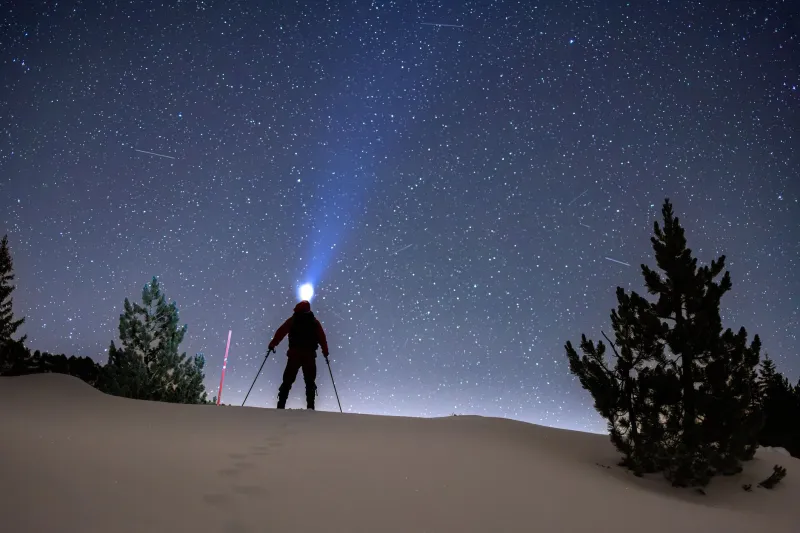
Most trailheads have a closing time in our heads, even when the gate stays open. We park, we walk, we take the photo, we leave before the light gets complicated. But in a national forest, sunset is not the closing bell. It is a shift change. The day crew clocks out, and the night crew comes on—quieter, stranger, and honestly a lot more interesting.
The Hour the Forest Changes Hands
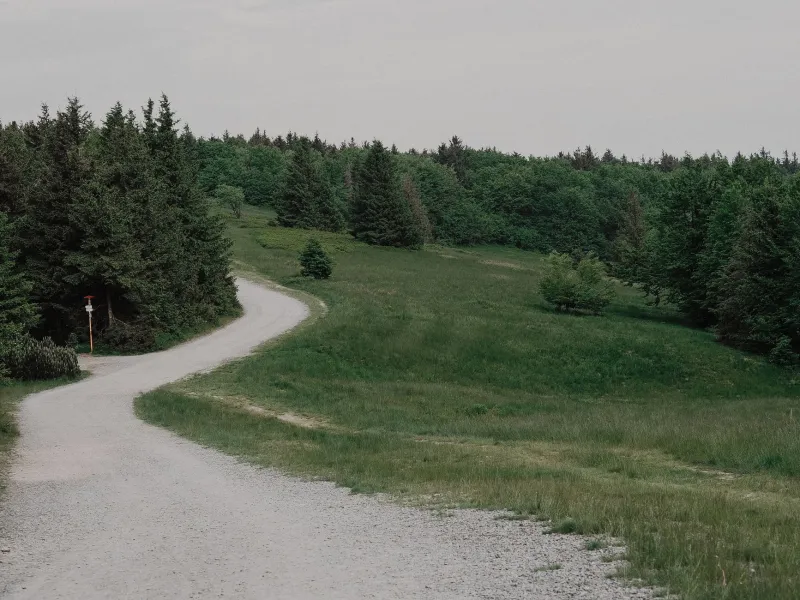
There is a point, maybe twenty minutes after the orange leaves the ridgeline, when a familiar trail stops feeling familiar. The switchbacks are the same. The creek is still running in the same ditch. But your eyes are now working with less information, and your ears pick up the slack. Gravel sounds louder underfoot. A squirrel in the brush can sound like a bear. The air gets colder and carries smells farther—pine sap, wet duff, maybe the ghost of somebody’s campfire.
That sensory swap is the whole point. Night hiking is not just day hiking with a lamp strapped to your head. It is a different way of reading a place. You slow down because you have to. You notice the trail’s grade through your feet. You hear water before you see it. In a national forest, where the roads thin out and the light pollution drops, the sky becomes part of the landscape instead of a ceiling.
Before You Leave the Trailhead
Night hiking rewards a little planning and punishes improvisation. Start with a route you already know or one that is dead simple—an old road bed, a wide trail, a short out-and-back. Save the off-trail ambitions for daylight. Check sunset, moonrise, and weather before you go, and check the forest’s road and gate status. Many Forest Service roads are fine in daylight and sketchy after rain or snow, and a locked gate adds miles you did not plan for.
Tell someone where you are going and when you expect to be back. Carry a paper map or a downloaded offline map, because phone service in national forests is a rumor more than a promise. Bring a real headlamp and a backup light. Not your phone flashlight. A phone flashlight is a battery emergency waiting to happen, and it turns your night vision into a memory.
Give yourself a turnaround time before you start. Night miles take longer, especially on roots and rocks. If the plan is a 3-mile loop, maybe the plan is actually a 2-mile stroll with a long stop in the middle. The goal is not mileage. The goal is to be out there when the woods change shifts.
Light, Layers, and the Gear That Actually Matters
A good headlamp with a red-light mode is the centerpiece. Red light preserves your night vision better than a white beam, and it keeps you from blinding everyone else in camp. Bring spare batteries or a charged backup light, and keep both somewhere you can find without turning your pack inside out. A small lantern for camp is nice. A blinding handheld spotlight is not.
Layers matter more than gadgets. Temperatures drop fast after sunset, even in summer, and a sweaty shirt turns cold the second you stop. Pack a warm hat, light gloves, and a shell. In the Rockies or the higher Appalachians, add another layer without arguing with yourself. A thermos of something hot is not fancy; it is morale in a bottle.
Trekking poles help when the trail gets dim and uneven. Binoculars are worth the weight if you plan to stop and look up. A basic first-aid kit, water, snacks, and bug spray round out the sensible stuff. If you are in bear country, keep food sealed and stored properly, and make a little noise on blind corners. You are a guest on the second shift.
Walking by Moonlight, and Knowing When Not To
Moon phase is the free gear upgrade nobody talks about. A full moon on an open ridge can be bright enough to walk without a lamp. A new moon is better for stars but darker on the trail. Pick your night based on what you want: moonlit walking or a Milky Way show. Both are good. They are just different trips.
When the moon is out, let your eyes adjust. Give them fifteen or twenty minutes without white light. Keep the headlamp off until you need it, then use the lowest setting that works. Walk slower than you think you should. Step over roots instead of dragging your feet. If the trail gets faint, stop, look back, and find the route behind you as well as ahead. Night navigation is mostly about collecting small certainties.
Know when to bail. Thunderstorms, smoke, a wrong turn, a rolled ankle, or a route that feels beyond your comfort level are all good reasons to turn around. Night hiking is not a test of toughness. It is a way to meet the woods on different terms.
The Payoff Is Not a View
The strange gift of walking after dark is that the forest stops being scenery. It becomes a place with a pulse. You hear an owl answer another owl. You catch the click of a bat. You see more stars than your neighborhood sky has allowed in years. The trail that felt like a corridor in daylight becomes a small thread through something much larger.
That is the version of a national forest most people never meet. They get the parking lot, the overlook, the afternoon selfie. They miss the cold blue hour, the first star, the moment your headlamp goes off and the dark turns out to be full of detail.
A Simple First Night Out
Pick a national forest close to home. Choose a short, familiar trail—two or three miles round trip. Arrive before dusk, walk out as the light fades, and stop somewhere safe and open when the first stars show. Turn off your lights. Listen for five minutes. Drink something hot. Then walk back at your own pace.
You do not need a epic objective. You need one evening when you do not leave when the light does. The wild is still there after sunset. It has just switched crews.