The Unbooked Night: Planning a Public-Land Trip Around Walk-Up Sites
Photo: Gerald England , CC BY-SA 2.0, via Wikimedia Commons
There's a specific kind of despair that comes from refreshing a booking page at 10:01 a.m. on release day and watching a summer of Saturdays evaporate in ninety seconds. If that's been your experience, here's the thing worth internalizing: the reservation system is not the land. It's a window into part of the land, and a fairly narrow one.
Plenty of public-land camping in the US never appears on a booking site at all. Some of the best nights I've had were at sites that couldn't be reserved because nobody was ever going to reserve them.
What the Booking Site Doesn't Show You
Recreation.gov and the various state systems cover a lot, but they don't cover everything, and they rarely cover the fringes. Below the reservable layer sits a whole second tier:
- First-come, first-served developed campgrounds. Forest Service and BLM sites, often smaller, often cheaper, sometimes with water and vault toilets, sometimes just a pull-through and a fire ring.
- Overflow and annex loops. Many campgrounds have unlisted extra capacity that opens when the main loop fills. The camp host knows. The website does not.
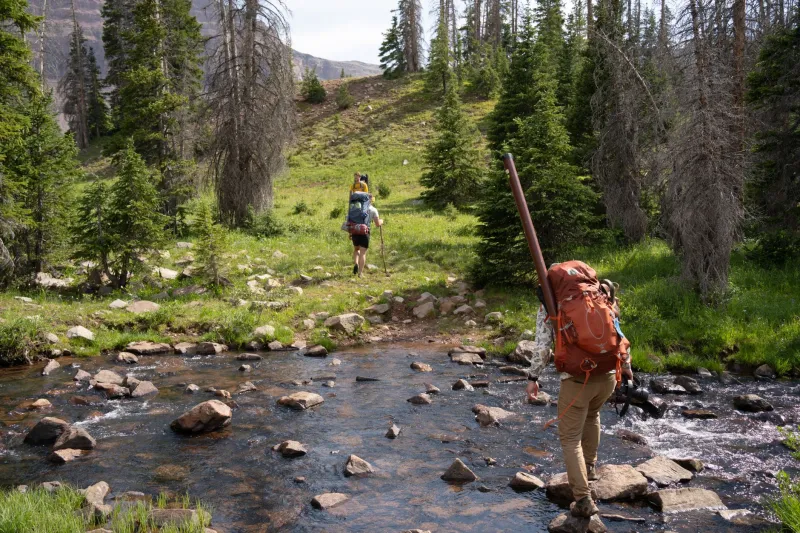
- Dispersed camping. On most national forest and BLM land, you can legally camp outside developed sites — usually free, usually with a stay limit around 14 days, with rules about distance from water, trails, and developed areas. Check the specific forest's motor vehicle use map; the rules vary more than people assume.
- Walk-up quotas. A handful of backcountry permits and popular hikes hold a percentage of slots for day-of or day-before walk-ins. Showing up in person at the right office at the right hour still works.
- The unglamorous fallbacks. County fairgrounds, state wildlife areas, Army Corps of Engineers sites, and small municipal campgrounds that have never once been fully booked in their existence.
Build the Trip in Three Tiers
This is the whole method. Write it down before you leave.
Tier A: the thing you actually want. A reservable site, if you got one. If you didn't, name the specific first-come campground you're targeting and know its fill pattern.
Tier B: the walk-up you'll take. Two or three alternates within a reasonable drive, ranked. Not a vague backup — actual names, actual directions, actual fee amounts.
Tier C: the legal dirt. A dispersed zone or a corridor where you can reliably find a flat spot. This is your floor. As long as Tier C exists, the trip is happening, and that changes the whole emotional texture of the drive.
Having a Tier C is the difference between a trip and a gamble. It's also usually the tier where the good stories come from.
Confirm Before You Commit
A phone call to the district office is still the highest-value ten minutes in trip planning. Ask directly:
- Is the campground open, and is the water on?
- Is it genuinely first-come, or has it quietly moved to reservations this season?
- What time does it typically fill on a Friday? On a Tuesday?
- How are fees collected — cash envelope, check, card, app?
- Are there current fire restrictions, road closures, or construction delays on the access road?
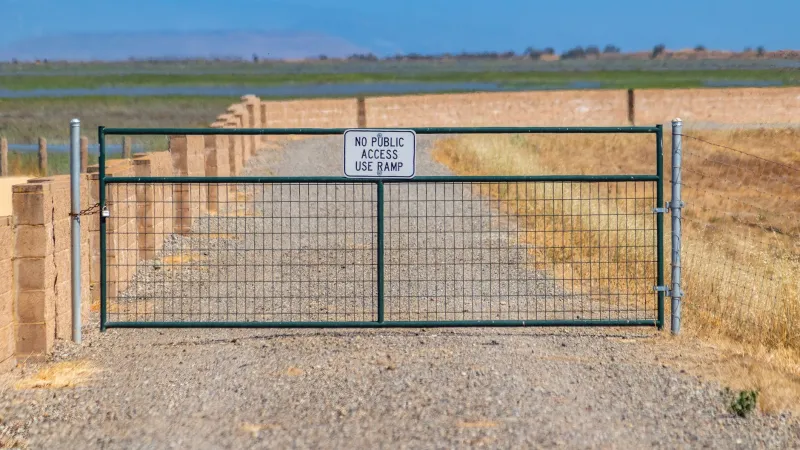
- Is a host on site, and is there a gate that closes at night?
That last one catches people. A campground that fills at 2 p.m. and gates at 10 p.m. is not a backup plan; it's an overnight in a pullout.
Timing Is the Real Reservation
If you can move your nights to Sunday through Wednesday, most of the reservation problem dissolves. If you can't, arrive early and arrive with intent. Be at the campground entrance by late morning, not mid-afternoon, and set a hard cutoff: if the loop is full by 1 p.m., you move to Tier B without debate. The worst outcomes come from burning three hours circling while the alternatives fill up behind you.
Also worth knowing: cancellations cluster. Thursday evening and Friday morning see a wave of released sites, and a same-day refresh at the right moment occasionally opens a door. It's a nice bonus, never a plan.
The Case for Leaving Room
The slightly opinionated part: chasing a reservation has trained a lot of us to treat public land as a scheduling problem, and it isn't one. It's a place with edges and slack in it. The trip you didn't fully nail down is the one where you end up on a ridge you'd never heard of because the loop was full and the host pointed you at a dirt road.
Book when it helps. Then leave one night loose, know your tiers, and drive.