The Driveway Debrief: Turning the Ride Home Into Better Wild Days
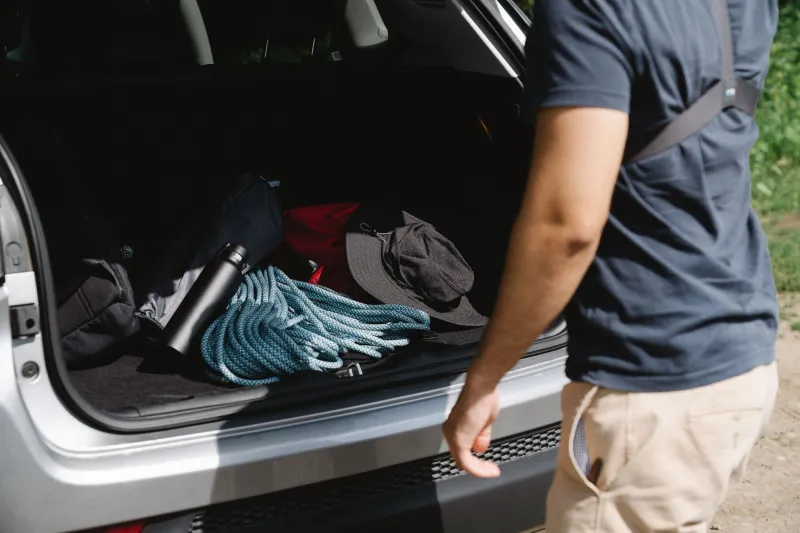
The pack lands in the hallway with a thud, the boots go by the door, and the trip is officially over. That is usually the moment most of us stop thinking about it. We scroll through photos, maybe rinse a pot, and promise to do better next time. But the ride home is still part of the trip, and it is one of the cheapest places to learn something.
A post-trip debrief does not need a spreadsheet, a score, or a stern talk with yourself. Think of it as a short conversation with the person who just walked the same miles: what did you notice, what would you change, and what do you want to carry forward? Ten minutes in the driveway can do more for your next wild day than another hour of scrolling through route maps.
Start While the Details Are Still Warm
The useful stuff fades fast. By Wednesday, you will remember the summit and forget the creek crossing that cost you twenty minutes. So before you unpack, jot three notes on your phone: one thing that worked, one thing that annoyed you, and one moment you want to remember. Keep it messy. This is not a trip report for strangers; it is a note to your future self.
Specifics matter more than verdicts. 'The new filter was slow' is a verdict. 'Filter clogged after the silty stretch below the second bridge; backflush worked' is a note you can use. Aim for the second kind.
Compare the Plan With the Walk You Actually Took
Most trips have a quiet gap between the route on paper and the route in your legs. Maybe the mileage was right but the climb came all at once. Maybe the forest road had a washout you had to nursemaid the car through. Maybe the trailhead was busier than expected, and the first mile felt like a parade.
Write down where the plan bent. Did you turn around because of light, weather, or mood? Did a shortcut save time or just add stress? Did you drink less water than you planned because the day stayed cool? None of this is a scolding. It is calibration. Next time, you will know to leave a little more margin on the drive in, or to start earlier on a Saturday, or to trust the longer approach that keeps you away from the crowd.
Gear: Sort the Failures From the Surprises
Gear notes are where a debrief earns its keep, but the point is not to build a shopping list. It is to notice patterns. Lay the contents of your pack on the floor and sort them into three piles: used and glad, carried and never touched, and broken or annoying. The first pile tells you what earns its weight. The second asks whether you are packing for a version of the trip you did not take. The third is a repair queue.
Maybe the rain shell was too warm for a steady climb, or the stove was fussy in a stiff breeze. Maybe the cheap headlamp was fine, and the fancy camp shoes were not. Write it down before memory smooths it over. Then pick one fix. Clean the filter. Re-waterproof the shell. Replace the stuff sack that split. You do not need to overhaul your kit after every outing. You need to know what failed, what surprised you, and what you want to test next time.
Energy and Mood Are Data, Too
We tend to audit distance and elevation and ignore the person doing the walking. When did energy dip? Was it lunch timing, sleep, heat, or the low-grade stress of watching the clock? Did the day feel long because the terrain was hard, or because you never quite settled into it?
Mood is not a character flaw. It is information. A route that looks reasonable on paper can feel like a slog when you are hungry or rushed. A shorter day with a long lunch can feel wilder than a big mile day spent chasing a schedule. Note what helped: an earlier start, a second breakfast, a mid-afternoon break with no agenda. Note what did not. Then use that on the next trip, even if it means planning less and leaving more room.
Weather Decisions Deserve a Second Look
Weather is the part of the day you cannot control, but you can study how you responded. Did the forecast match what you got? Did you have a clear turnaround time? Did you leave because conditions changed, or because you were tired and called it weather? Neither answer is wrong. The point is to recognize the decision point while it is still fresh.
A good debrief note sounds like: clouds built by noon; we turned around at the saddle; the valley was windy but the trees were calm. That is more useful than 'weather moved in.' It reminds you what cues you noticed, and whether you want to build more margin into the next plan.
Save One Sentence for the Wild Part
Not every lesson is practical. Some trips give you a minute you cannot measure: cold light on a ridge, a hermit thrush singing after rain, the smell of duff and pine, the particular quiet of a national forest on a weekday. Write one sentence about that. It will remind you why you went, and it will help you choose the next trip for the right reasons.
Keep the whole debrief short. Three notes and one sentence is plenty. Read them before you plan again. Make one change, not ten. The goal is not to turn every outing into a performance review. It is to come home a little more aware, so the next time the pack comes off, you have a better idea of what to put in it.