Your First Shelter Is Parked: A Winter Car Kit for Public-Land Mornings
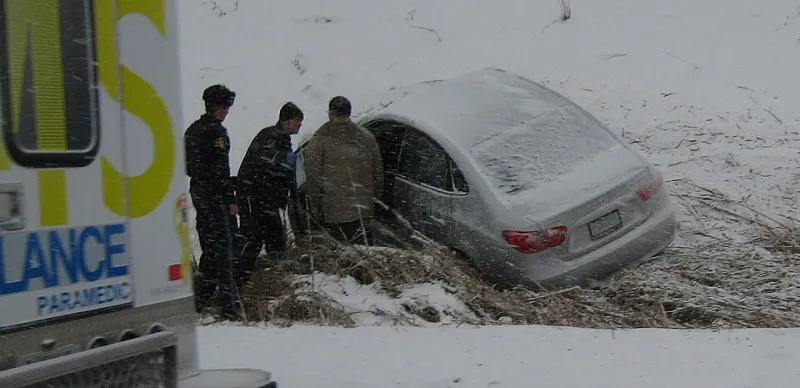
Photo: Theonlysilentbob, CC BY-SA 3.0, via Wikimedia Commons
There’s a moment on every cold-weather public-land day when the trip hasn’t really begun. You’re in a gravel pullout off a Forest Service road, the engine ticking as it cools, and the nearest town is a 40-minute drive behind you. The car is no longer just transportation. It’s the first shelter of the day—and the last one you’ll see before the heater comes back on. A winter kit isn’t about preparing for disaster. It’s about making that shelter trustworthy without turning your cargo bay into a bunker.
The Car as Basecamp, Not a Bunker
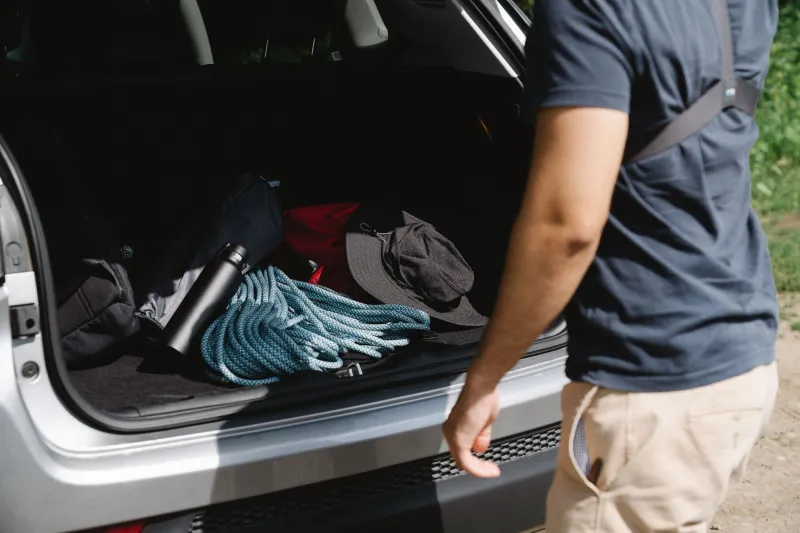
The best kits are boring. They live in one place, they get checked now and then, and they don’t require a packing decision every time you leave. Aim for something compact enough that you forget it’s there but complete enough that you don’t have to improvise with a damp fleece and a phone flashlight.
A single 20- to 30-liter tote or duffel works for most people. Add a few items that live under the seats or in the door pockets, and call it done. If the kit spills into every crevice, you’ll stop maintaining it. If it’s too sparse, it won’t help when the day turns.
Dry Layers Beat Warm Layers
People pack for temperature and forget moisture. In winter, wet is the real enemy—whether it’s sweat from a steep climb, slush from a post-hike parking-lot shuffle, or rain that arrives earlier than forecast. Pack a dry base layer, a fleece or wool midlayer, a lightweight puffy, gloves, a beanie, and spare socks in a dry bag. These aren’t for the hike. They’re for the drive home after you’ve gotten soaked or the temperature drops faster than expected.
Keep those layers separate from your hiking layers so you aren’t tempted to raid the kit at the trailhead. A small microfiber towel is also worth the space. It sounds fussy until you’re trying to pull on dry socks with wet hands.
Light You Don’t Have to Hunt For
A headlamp in the glovebox sounds fine until the glovebox is full of registration, napkins, and a tire gauge. Put the headlamp in the kit with fresh batteries, and keep a spare set nearby. Winter dark arrives early. A low tire, a stubborn chain, or a spilled cooler at 4:45 p.m. is a headlamp job, not a phone-flashlight job.
A small magnetic work light is a nice extra if you already own one, but don’t overbuild this section. One reliable headlamp and spare batteries will cover more winter situations than three gadgets with dead cells.
Traction, Not Theater
Traction gear should match the roads you actually drive. Chains or cables sized to your tires, a small shovel, and a bag of sand or kitty litter cover a lot of ground for most passenger cars and crossovers. If you regularly drive deep snow roads, traction boards might earn their space. If you mostly park at plowed trailheads, they probably won’t.
The bigger point is familiarity. Know how to install your chains before you need them. Practice in the driveway once, ideally before the first storm. A shovel is more useful than a winch for most people, and a bag of grit can get you out of a icy pullout without turning a minor slip into an afternoon project.
Water That Doesn’t Turn to Slush
Winter water is tricky. A gallon jug left in the cargo bay becomes a block of ice, and cheap plastic can crack when it freezes. Use an insulated bottle, fill it before you leave, and keep it inside the cab where the heater can reach it. For a day trip, a couple of liters per person is usually enough. Add snacks that don’t turn rock-hard in the cold—nuts, crackers, bars you actually like.
This isn’t a survivalist pantry. It’s a small buffer for the drive home, a delayed trailhead start, or the extra hour you didn’t plan for when the road turned out to be icier than expected.
A Repair Roll, Not a Workshop
A small roll of duct tape wrapped around an old card, a few zip ties, a multitool, a tire pressure gauge, jumper cables, a phone cable, and a power bank will handle many of the small failures that can end a wild day early. Add a basic first-aid kit and, if you know how to use one, a tire plug kit.
The goal is to get you to pavement or cell service—not to rebuild a CV joint in the snow. Leave the full toolbox at home. Weight and clutter are their own kind of problem.
The Habits That Keep It Alive
A winter kit dies from neglect. After every trip, dry out any wet clothes, replace the water, check the headlamp, restock snacks, and repack the tote. At the first cold snap, do a five-minute audit. Make sure the layers still fit, the batteries are fresh, and the traction gear is actually sized for the vehicle you’re driving now.
Keep the kit visible but contained—a cargo net or a strap helps. Don’t let it become permanent storage for ski boots, dog hair, and half-empty coffee cups. The kit should be ready before you leave, not something you plan to assemble at the last minute.
What Stays Home
Skip the 50-pound survival box, the military rations, and the axe you’ll never use. Space matters in a small car, and a kit that crowds out your packs is a kit you’ll resent. The right setup fits around your actual trips: room for boots, a daypack, and maybe a camp chair, with the winter essentials tucked into one corner.
On the drive home, dark coming early and the heater finally doing its job, the kit is quiet. You may never use it. That’s the point. The wild day ends at the car, and the best winter kit makes that ending warm, unremarkable, and easy to trust.